Yokozuna profiles, tournament guides, how sumo works — everything a foreign fan needs, all in one place. Refreshed every basho.
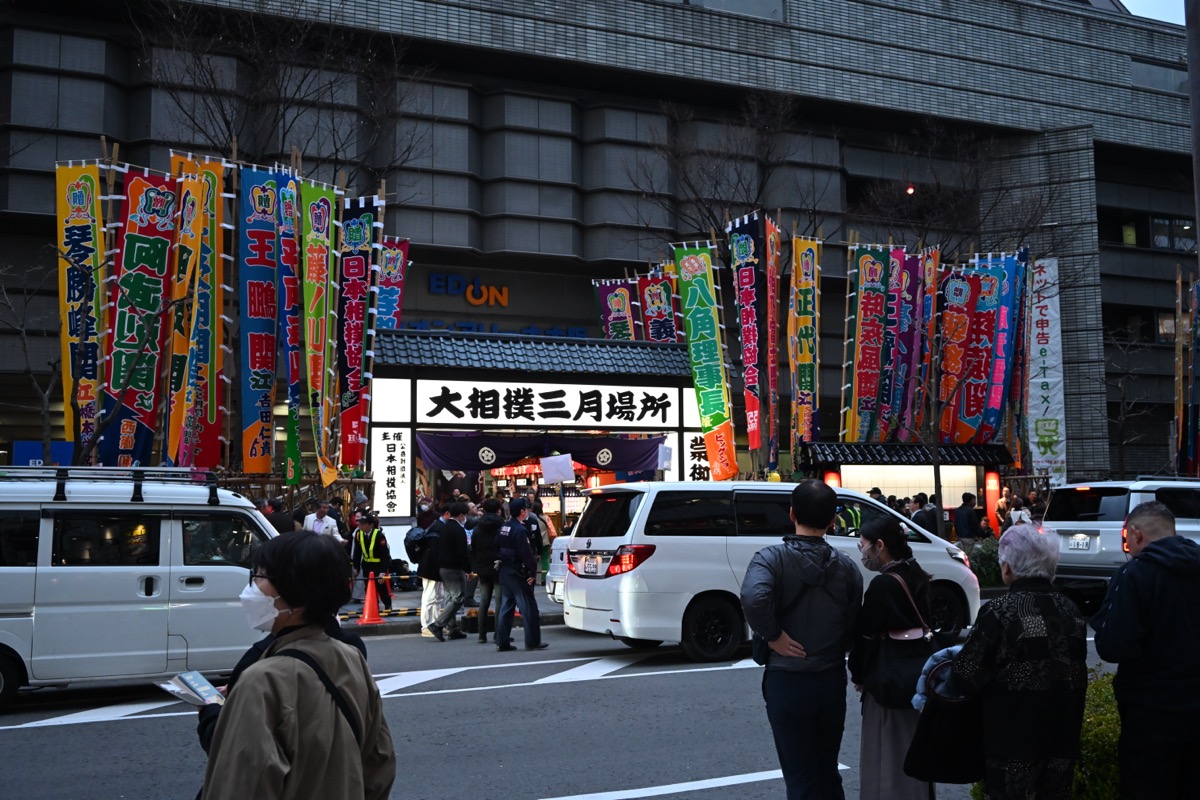
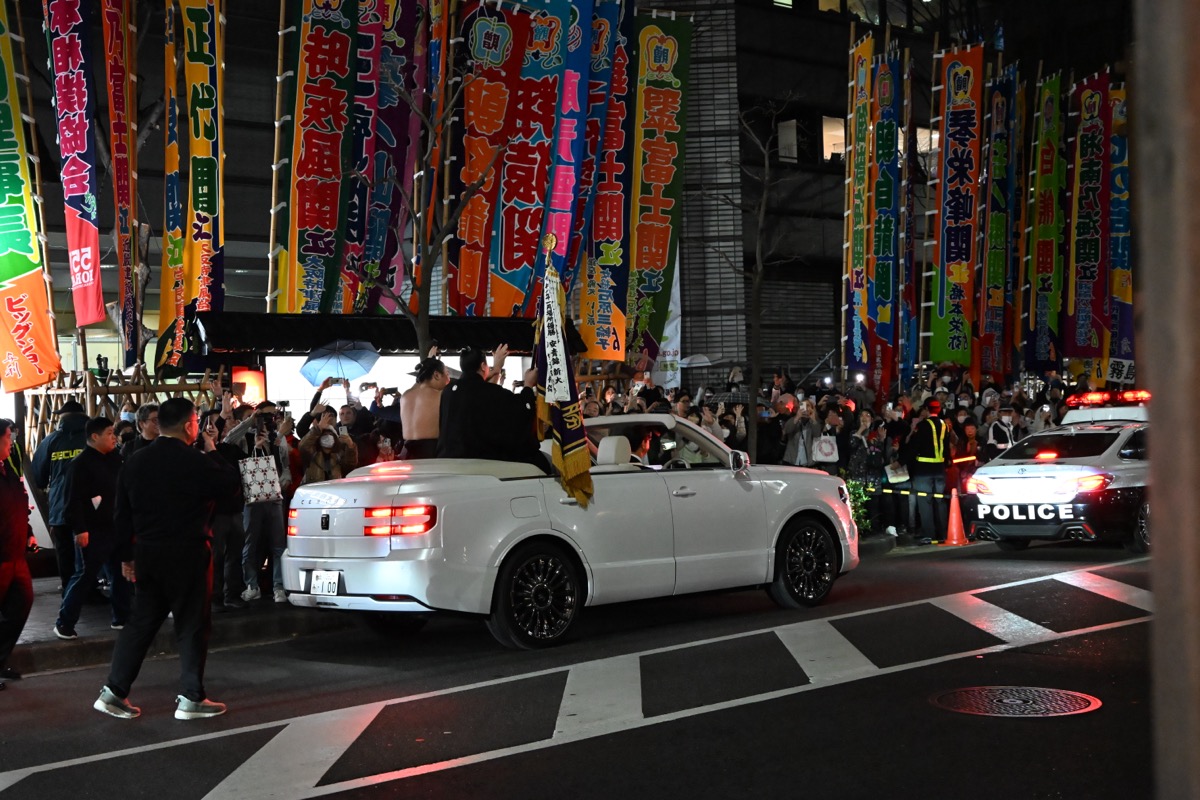
📸 Photographed by us at the March 2026 Osaka Tournament
Japan's national sport. Two wrestlers, a clay ring, a few explosive seconds. The ranking system is ruthlessly meritocratic: win and you rise, lose and you fall. Learn how sumo works →
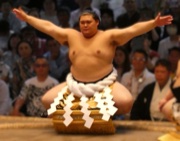
Japan's newest Yokozuna. Unprecedented rise — dominant power sumo.
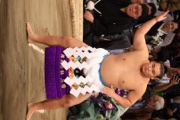
Acrobatic throws, fearless strategy. The most exciting wrestler alive.
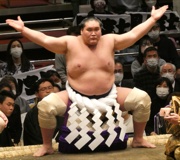
Greatest comeback — lowest division to Yokozuna on broken knees.
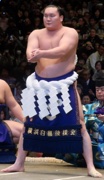
The undisputed greatest of all time.
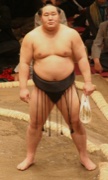
Only man to win all 6 basho in one year.
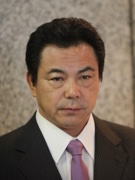
The Wolf. 53-bout win streak. Japan's 1980s hero.
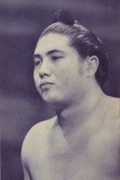
The Giant of Showa. Dominated the 1960s.
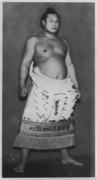
Unbroken record since 1939.
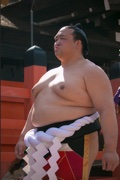
Ended Japan's 19-year Yokozuna drought.
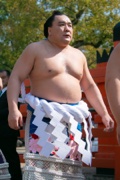
Lightning speed. Controversial exit.
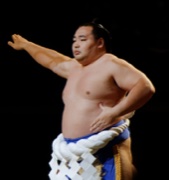
The quiet master. Signature utchari.
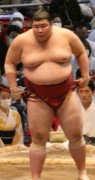
Already beat both active yokozuna.
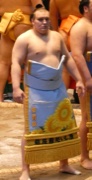
Chasing Yokozuna from war-torn Ukraine.
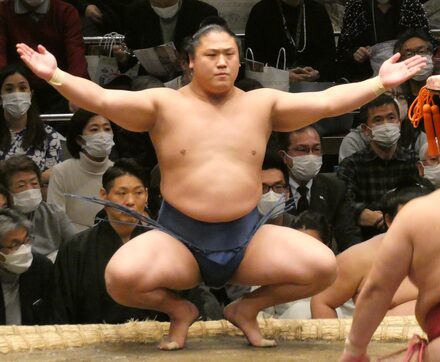
Comeback king — tore his ACL, fell to the 4th division, fought back to a 2nd title.
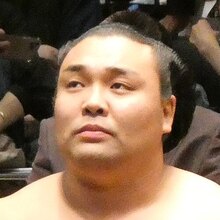
Arrived from Mongolia with no sumo experience; took his master's revered name.
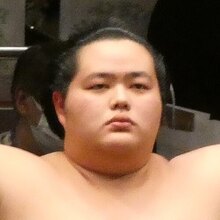
Sumo royalty — grandson of a yokozuna who inherited the family name.
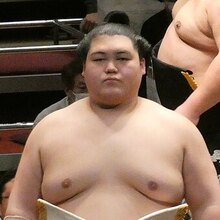
Grandson of the legendary 32-time champion Taihō.
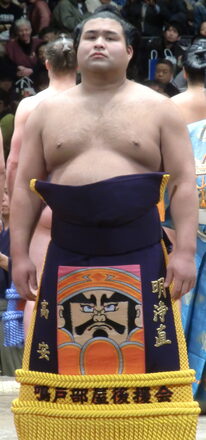
Sumo's beloved nearly-man — 13 special prizes, still chasing a first title.
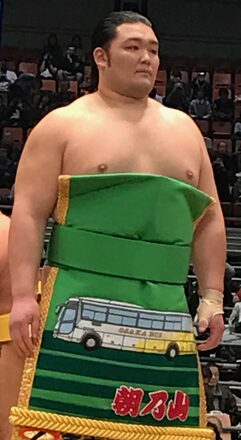
A champion who fell to the 3rd division, then fought all the way back.
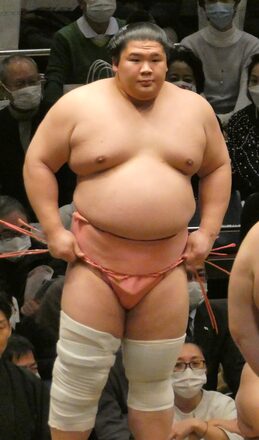
The acrobat — backward flips and giant-killing, from jonidan to san'yaku.
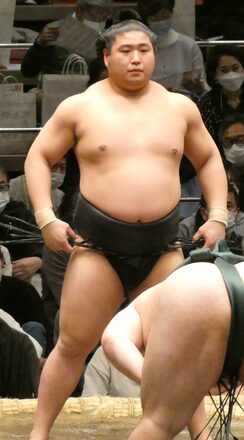
The patient Ōnami brother who bloomed after a decade in the lower ranks.
Photos: Wikimedia Commons (CC BY-SA / CC BY). Credits: TSUBAME98, FourTildes, Arcimboldo, Route246, yoppy, Ogiyoshisan, A2B48, Quentin Rabier.
Rules, ranks, tournaments, the ring, gyoji, stables — everything in one primer.
Read guide →All 6 divisions from Yokozuna to Jonokuchi. How the banzuke works.
Read guide →1,500 years from Shinto ritual to national sport.
→Every official winning move explained with examples.
→Legal moves, prohibited techniques, and how bouts are judged.
→Salt throwing, stomping, Shinto — why wrestlers perform these ceremonies.
→Chankonabe, 8,000-calorie days, the daily meal routine.
→How heavy are sumo wrestlers? Stats, averages, and body science.
→What wrestlers earn by rank, plus bonuses and retirement benefits.
→How stables work, the full list, and what daily life is like inside.
→The referee's role, costume, traditions, and hierarchy.
→Requirements, age limits, the path from recruit to sekitori.
→The home of sumo. 11,000 seats, purpose-built, best sightlines. Chanko restaurants everywhere.
Tokyo guide →Spring Basho. Passionate Osaka fans, incredible proximity to wrestlers, and Namba's food scene.
Osaka guide →The hottest basho — literally. Brand-new arena with in-venue dining. Misen ramen and eel nearby.
Nagoya guide →Wrestlers' favourite basho. Waterfront venue, kitchen cars, Nakasu nightlife. Mizutaki & ramen paradise.
Fukuoka guide →ABEMA streams every single sumo bout live — but it's geo-blocked outside Japan. A VPN fixes that in seconds.
Best VPN for Sumo → Get NordVPN ↗ABEMA Premium streams all Makuuchi bouts live. NHK World and YouTube options also covered. Free & paid explained.
Full Streaming Guide → Try ABEMA Premium ↗Live banzuke rankings, bout results, ranking charts and AI predictions for all 18 wrestlers at Futagoyama Stable (二子山部屋) — including Rohga, Nobehara and Namatame.
Outside Japan? Use a VPN to watch Abema — free, live, every bout.
🔒 Get NordVPN How to Watch Free →