🏆 What Is the Osaka Spring Basho?
The Spring Basho (春場所, Haru Basho) is the second of six Grand Sumo tournaments held each year — and the only one held in Osaka. While January's New Year Basho in Tokyo carries the weight of tradition, and September's Aki Basho often crowns the year's true champion, the March osaka sumo tournament carries its own irreplaceable weight in the sport's calendar.
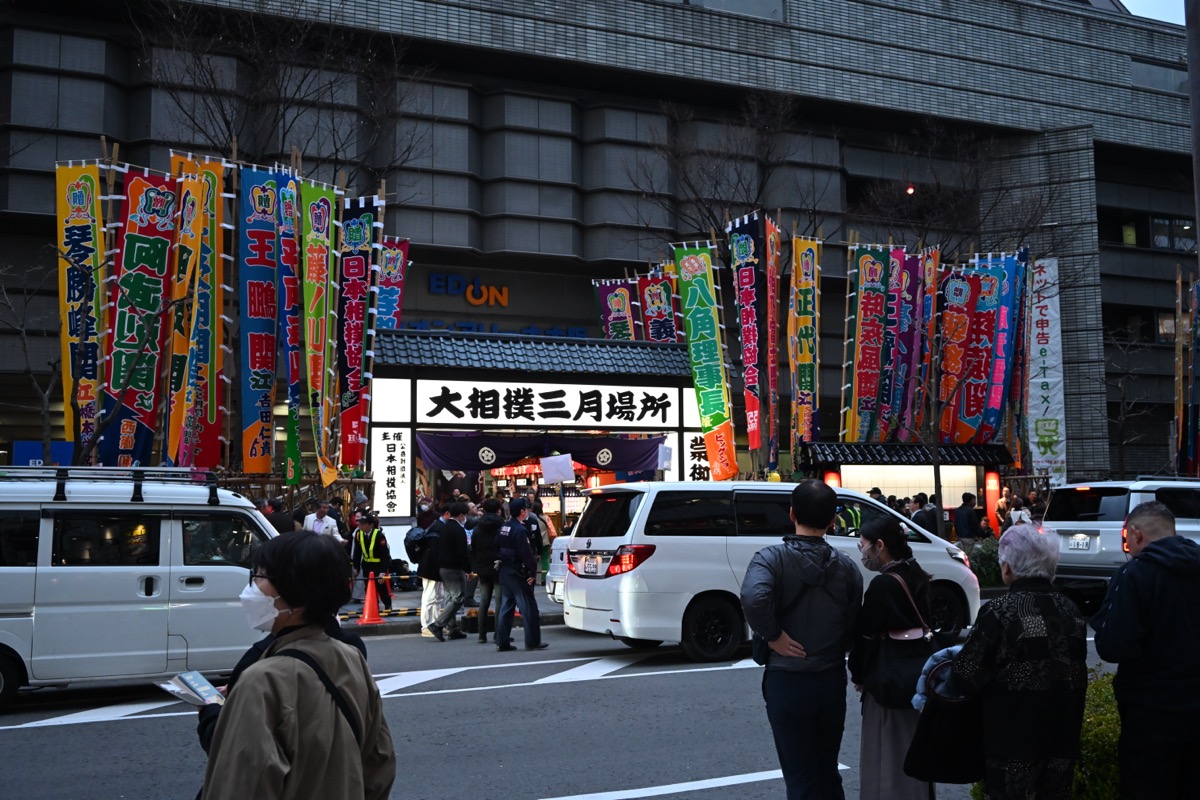
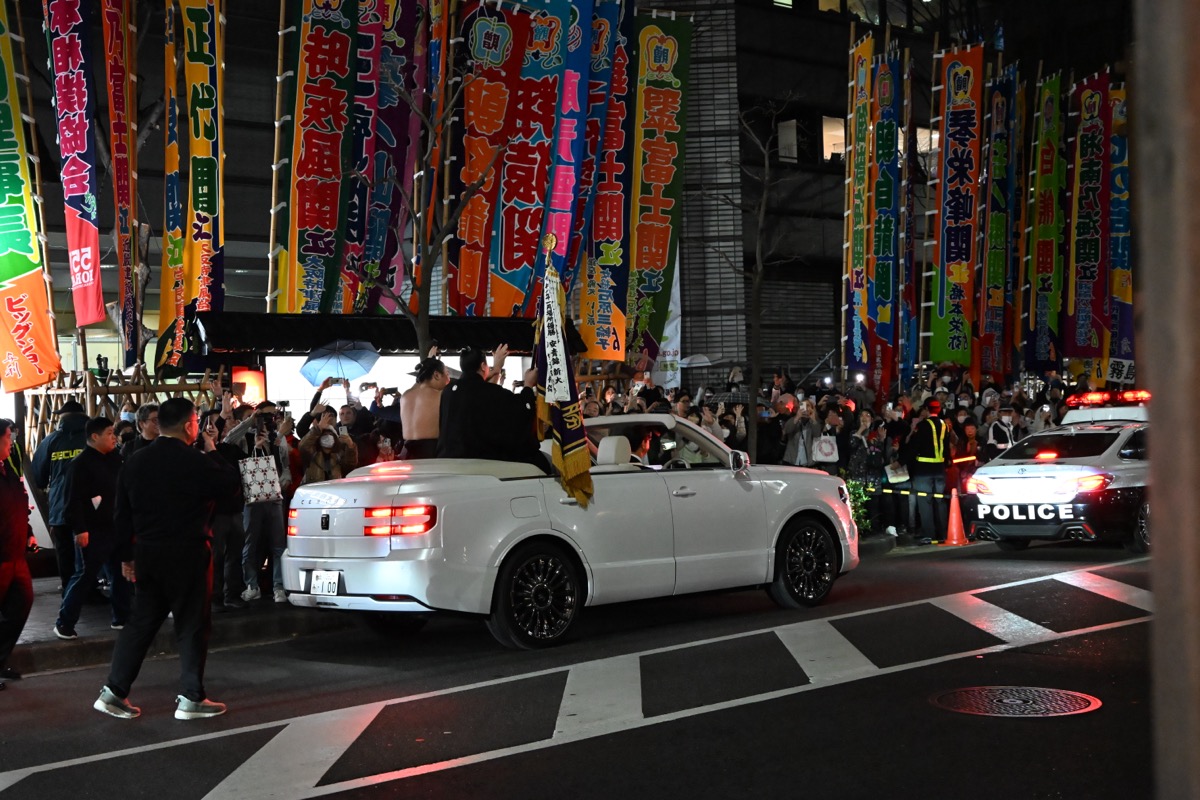
The tournament runs for 15 days, with top-division (Makuuchi) bouts taking place each afternoon. Every rikishi in the Makuuchi division competes once per day, accumulating wins (白星, shiro-boshi) and losses (黒星, kuro-boshi) toward a final record. The wrestler with the most wins at the end of 15 days is crowned tournament champion (優勝, yusho).
If you're new to how the sport's divisions, ranking system, and match rules work, our guides on how sumo works and sumo ranks are the right starting points before you book your seat.
🏟️ Edion Arena Osaka: The Venue
Edion Arena Osaka — officially the Osaka Prefectural Gymnasium, previously branded BODYMAKER COLOSSEUM — is sumo's western heartland. Located in Namba's Naniwa Ward, it is one of the most storied multi-purpose arenas in Japan. Unlike Tokyo's Ryogoku Kokugikan, which was purpose-built for sumo with a permanent dohyo (the clay ring), Edion Arena Osaka is a touring venue. The dohyo is constructed fresh each March — a process that takes several days and is itself considered a sacred ritual.
The arena has a distinctly different feel from Kokugikan. The ceiling is lower, the seats wrap more tightly around the ring, and sight lines from the upper tiers are surprisingly good — you're closer to the action than the raw distance numbers suggest. Even a mid-tier seat can feel ringside compared to other major sports arenas.
📍 Edion Arena Osaka: Venue Quick Reference
| Detail | Information |
|---|---|
| Official Name | Edion Arena Osaka (大阪府立体育会館) |
| Location | 3-4-36 Namba Naka, Naniwa-ku, Osaka |
| Capacity (Sumo) | Approximately 8,500 |
| Nearest Station | Osaka Namba / Namba (multiple lines) |
| Walk from Station | ~10 minutes |
| Permanent Dohyo? | No — built fresh each March |
| Naming Rights History | 府立体育館 → BODYMAKER COLOSSEUM → Edion Arena Osaka |
🎟️ Buying Sumo Osaka Tickets: A Practical Step-by-Step
Getting sumo osaka tickets is entirely manageable if you plan ahead — but "ahead" means months, not weeks. Here's exactly how the process works.
Step 1: Know When Sales Open
The Japan Sumo Association (JSA) typically opens online ticket sales approximately two months before the tournament begins. For a tournament starting in mid-March, expect sales to open in early January. Box seat (masu-seki) sales often open on a separate, earlier date than individual arena seats. Mark your calendar and set an alarm.
Step 2: Where to Buy Spring Basho Tickets
The primary legitimate channels are:
- Japan Sumo Association official site (sumo.or.jp) — the most direct source, though the interface is primarily in Japanese
- Ticket Oosumo — the JSA's dedicated ticketing portal, accessible via the official site
- Lawson Ticket / ローソンチケット — available at Lawson convenience stores across Japan using the Loppi terminals
- e+ (Eplus) — another major Japanese ticketing platform
- Authorized resellers and Japan travel agencies — useful for non-Japanese speakers, often bundled with hotel packages; expect a service premium
For a full breakdown of ticket-buying strategies, including tips for overseas visitors, see our dedicated sumo tickets guide.
Step 3: Spring Basho Ticket Categories at a Glance
| Ticket Type | Description | Approx. Price Range | Best For |
|---|---|---|---|
| Masu-seki (Box Seats) | Traditional floor-level box seating for 2–4 people; sit on cushions on tatami | ¥9,000–¥14,000 per person | Authentic experience, groups |
| Chair Seats (椅子席) | Western-style individual seats in various tiers | ¥2,200–¥8,500 | Solo travelers, comfort seekers |
| Tamari-seki (Front Row) | Ringside cushion seats immediately beside the dohyo | ¥11,000+ | Die-hard fans, premium experience |
| General Admission (自由席) | Unreserved upper-tier seats | ¥1,000–¥2,200 | Budget-conscious, last-minute |
Prices are approximate and subject to change. Masu-seki prices are per person when a box is shared between buyers; purchasing a full box privately costs more.
Step 4: Resale and Last-Minute Options
If official channels are sold out — and for weekend days and the final days (senshuraku), they will be — check Yahoo! Auctions Japan or official resale platforms. Be cautious of third-party scalpers charging multiples of face value. General admission seats (自由席) are almost always available on the day at the Edion Arena Osaka box office, making them the best option for spontaneous attendees.
🪑 Choosing Your Seat at Edion Arena Osaka
Seating at Edion Arena Osaka is organized in concentric zones around the dohyo. Here's honest guidance on what each zone actually delivers:
Tamari-seki (Ringside)
These floor-level seats sit immediately adjacent to the dohyo. You're close enough to hear wrestlers breathing and feel the vibration when a 160kg rikishi hits the clay. The catch: wrestlers occasionally fly off the dohyo directly into tamari-seki — stay alert. These seats require purchasing months in advance and are limited in number.
Masu-seki (Box Seats)
The quintessential sumo experience. You sit cross-legged on cushions on the floor of a small tatami-lined box, sharing the space with whoever booked it. Bring a cushion if your knees aren't forgiving. The floor-level perspective and communal eating (bento and drinks are entirely acceptable) makes this the most culturally immersive option. Boxes are divided into A, B, and C tiers by proximity to the dohyo.
Arena Chair Seats
The middle and upper tiers offer standard Western-style seating with a better elevated view of the full dohyo — ideal for understanding ring strategy. For watching technique (where a wrestler plants their feet, how they break an opponent's grip), the elevated angle is genuinely superior to ringside. If you're analytically minded about sumo, mid-tier chair seats are underrated.
General Admission (Upper Tier)
The cheapest tickets and the section with the most passionate regular fans. Osaka's general admission crowd is notoriously vocal — running commentary, groans, and explosive cheers are standard. This is the section that gives the Spring Basho its distinctive energy.
⏰ Daily Schedule at the Spring Basho
One of the biggest surprises for first-time attendees: the arena doors open in the morning but top-division action doesn't start until late afternoon. Here's how a typical day unfolds:
| Time (Approximate) | What's Happening |
|---|---|
| 8:00 AM | Doors open; lower divisions (Jonokuchi, Jonidan) begin bouts |
| 10:00–11:30 AM | Sandanme division bouts |
| 12:00–1:00 PM | Makushita (third division) bouts — future stars worth watching |
| ~2:00 PM | Juryo division (second division) begins — high-quality sumo, less crowded |
| ~3:30 PM | Makuuchi (top division) ring-entering ceremonies |
| ~4:00 PM | Makuuchi bouts begin with lower-ranked wrestlers |
| ~5:30–6:00 PM | Yokozuna and Ozeki bouts; final bout (musubi-no-ichiban) |
| ~6:00 PM | Yumitori-shiki (bow-twirling ceremony); arena closes |
Many dedicated sumo fans arrive specifically for Makushita bouts to scout prospects — wrestlers like Onosato and Hoshoryu were closely watched during their Makushita rises before reaching the top division.
🎭 The Osaka Sumo Atmosphere: Why It's Genuinely Different
This is what other guides don't adequately cover — and it matters enormously for your decision about when to attend a basho.
Osaka has a reputation in Japan as a city that does not stand on ceremony. Osakan culture is direct, warm, and irreverent — and this personality infuses the crowd at the Spring Basho in a way that distinguishes it sharply from the more restrained atmosphere of Tokyo's Kokugikan, or the regional flavors of Nagoya and Fukuoka.
Osaka sumo crowds are known for:
- Louder, more sustained cheering during the pre-bout ritual (shikiri) — the crowd builds tension differently than Tokyo
- Visible partisan support for local and western-Japan stables — wrestlers from Osaka-region stables get genuine home crowd energy
- Zabuton (cushion) throwing — when a yokozuna loses to an upset, Osaka crowds are historically the most likely to toss their seat cushions into the air. Technically discouraged, culturally embedded
- A palpable underdog appreciation — Osaka crowds love a maegashira who bloodies a yokozuna's nose, which makes upsets feel even more electric
Why the Spring Basho Carries Extra Weight
The March tournament frequently serves as a proving ground for wrestlers on the cusp of major rank changes. Wrestlers seeking Yokozuna promotion (or fighting to retain their rank) treat this basho as career-defining. The sumo ranking system requires consecutive strong performances — typically two consecutive tournament wins at Ozeki — for Yokozuna candidacy. The Spring Basho is historically where this threshold gets crossed or narrowly missed, giving the tournament a tension that even casual observers can feel by the second week.
Onosato and Hoshoryu have both delivered memorable Spring Basho performances on their paths to the top rank. The legacy of Hakuho — who won the Spring Basho multiple times during his unprecedented reign — hangs over Edion Arena Osaka as a standard every ambitious wrestler measures themselves against.
🚇 Getting to Edion Arena Osaka
Edion Arena Osaka is exceptionally well-served by public transport. Osaka is one of the easiest major Japanese cities to navigate by train and subway.
| Starting Point | Route | Approx. Time |
|---|---|---|
| Osaka (Umeda) Station | Midosuji Line to Namba Station | ~10 min |
| Shin-Osaka (Shinkansen) | Midosuji Line to Namba Station | ~20 min |
| Kyoto Station | Kintetsu Limited Express to Osaka Namba | ~40 min |
| Kansai International Airport | Nankai Rapit Express to Namba Station | ~40 min |
| Namba Station (any line) | 10-minute walk south along Namba-naka | ~10 min on foot |
From Namba Station, follow signs for the arena — or simply follow the crowds on tournament days. Hundreds of fans in yukata and traditional dress make it an unmissable procession through the Namba district.
🍜 Food, Drink & the Chanko Nabe Experience
Food is inseparable from the sumo experience. Inside Edion Arena Osaka, vendors sell bento boxes, yakitori, beer, and the ceremonial sumo staple: chanko nabe.
What Is Chanko Nabe?
Chanko nabe is the high-protein hot pot stew that forms the dietary foundation of a professional wrestler's diet. A typical chanko nabe contains chicken, tofu, vegetables, and fish in a rich broth — designed for maximum calorie density and nutrition. It has been eaten in sumo stables for generations and carries cultural significance beyond pure nutrition. Our guide on the sumo wrestler diet covers the full story.
Several chanko nabe restaurants operate in the Namba district near Edion Arena Osaka specifically for tournament season. Arriving early for a pre-match chanko lunch is a ritual among regulars.
Inside the Arena
Unlike many sports arenas, Edion Arena Osaka allows outside food and drink in most sections (confirm current rules before attending — policies occasionally change). Masu-seki box seat holders traditionally bring elaborate bento boxes and share meals during the lower-division bouts, creating a relaxed, social atmosphere that transitions into intense focus by the time Makuuchi action begins.
📺 Watching the Spring Basho Online
Can't make it to Osaka in person? The Spring Basho is streamed and broadcast through several channels.
- NHK broadcasts top-division bouts live on NHK G (General) from around 4 PM Japan time daily. International access to NHK's streaming services is geo-restricted.
- NHK World (nhk.or.jp/nhkworld) offers free English-language sumo highlights — not live, but a solid daily recap available globally
- Japan Sumo Association YouTube channel posts daily highlight packages (in Japanese) shortly after each day's bouts
- ABEMA TV has secured streaming rights for sumo in recent years and offers live coverage — geo-restricted to Japan
For overseas viewers who want live access, a VPN set to a Japanese server can unlock NHK and ABEMA streams. Our guide on using a VPN to watch sumo walks through the technical setup in plain language. For all available platforms, see our full how to watch sumo online guide.
📜 Historic Moments at the Osaka Spring Basho
The Spring Basho has been the stage for some of sumo's most significant turning points. Understanding this history adds layers to every modern tournament.
- Yokozuna candidacies decided: Multiple wrestlers have clinched or missed Yokozuna promotion at the Spring Basho. Performing away from Tokyo's Kokugikan — where most stables are based — adds a psychological dimension unique to this tournament. Terunofuji's remarkable comeback from lower divisions to Yokozuna is part of this broader Osaka narrative.
- Records set and broken: Hakuho, the greatest yokozuna in recorded history, won the Spring Basho multiple times during his dominant era — often in dominant fashion that left analysts struggling for superlatives.
- Upsets that changed careers: The osaka sumo crowd's appetite for upsets means memorable giant-killing performances are proportionally common here. These results ripple forward through ranking calculations and careers.
- The Osaka connection: Several prominent stables have strong western-Japan roots, and their wrestlers receive genuine home support. This connection between the sport and Kansai dates back centuries — Osaka was, in fact, the center of sumo culture before Tokyo's dominance of the modern era. See our sumo history guide for the full arc of how the sport evolved geographically.
🚫 Common Misconceptions About Attending Sumo Live
First-time attendees often arrive with assumptions that affect their enjoyment. Here are the most common — and the reality behind them.
Misconception 1: "The best seats are closest to the ring"
For pure spectacle, tamari-seki (ringside) is thrilling. But for actually understanding what's happening — seeing foot placement, reading grip strategy, watching tactical build — an elevated chair seat gives a better analytical view. Many experienced sumo fans prefer mid-tier seating for exactly this reason. Tamari-seki is for feeling the energy; upper tiers are for seeing the chess match.
Misconception 2: "Top-division bouts start late, so arrive late"
The top division starts at approximately 4 PM, but lower-division bouts begin at 8 AM and include genuinely excellent sumo. Arriving at noon for Makushita bouts and working through Juryo before the main event gives you the complete picture of the sport's ecosystem. Early arrivals also get better food options and a relaxed atmosphere to explore Edion Arena Osaka.
Misconception 3: "You need to understand Japanese to enjoy it"
Sumo is one of the most language-independent sports to watch live. The referee's calls, the pre-bout rituals, the physical drama — all of it is visual and visceral. Many non-Japanese-speaking fans report sumo as the most accessible traditional Japanese cultural experience they encountered, precisely because the sport communicates directly through action. A basic understanding of sumo techniques and ranks will deepen your appreciation, but it isn't a prerequisite.
Misconception 4: "Sumo is slow — bouts are boring"
The pre-bout ritual (shikiri) is extended and ceremonial, deliberately building tension. The bouts themselves are often resolved in under 10 seconds — sometimes under three. This explosive brevity, after minutes of psychological build-up, is exactly what makes the live experience so singular. The contrast is the point. Osaka crowds understand this rhythm intuitively and amplify it.
Misconception 5: "Weekday tickets are easy to get"
Weekend days sell out fastest, but weekday tickets — particularly in the second week — are increasingly sought-after as tournament standings tighten. Days 11 through 15 (the final Sunday being "senshuraku") should all be treated as high-demand dates. Days 5–9 offer the best combination of genuine sumo quality and ticket availability if you have flexibility.
🎤 A Wrestler's View of the Osaka Basho
Former Makuuchi wrestler Tengaiho (天鎧鵬), who competed in all four tournament cities throughout his career, describes what makes Osaka unique from a wrestler's perspective.
Fan proximity like nowhere else
"The distance between wrestlers and fans at regional venues is incredibly close. In Osaka, spectators can brush past wrestlers in the hanamichi corridor — that just doesn't happen at the Kokugikan in Tokyo." Tengaiho notes this is one of the great appeals of regional tournaments for fans, but asks for understanding: wrestlers walking to their bouts are fully focused on the competition ahead.
Osaka crowds bring the energy
Osaka fans are known for their passionate, vocal support. "The cheering is extraordinary — sometimes even the critical comments. But that just means they're watching seriously, and wrestlers take it as motivation." The March tournament has a special atmosphere as the "entry tournament" (就職場所) — many new recruits join professional sumo in March after graduating from school, adding fresh energy to the stable rooms.
Edion Arena location & food
The venue (Edion Arena Osaka, formerly Osaka Prefectural Gymnasium) is steps from Namba Station, making it one of the most accessible tournament venues. Tengaiho's food picks for the area:
- Joto Curry (上等カレー) — directly across the street from the arena entrance. "That curry is insanely good."
- 551 Horai (551蓬莱) — a short walk from the entrance, famous for pork buns.
He also mentions that the backstage bath at Edion Arena is notably small — wrestlers find it cramped compared to the Kokugikan — adding to the "character" of the Osaka experience.
Source: Tengaiho (天鎧鵬) YouTube — "行ってエンジョイ!地方場所番付". Quotes translated from Japanese.
❓ Frequently Asked Questions: Osaka Spring Basho
When exactly is the Osaka Spring Basho in 2026?
The 2026 Spring Basho (Haru Basho) is scheduled to run for 15 days in March 2026, traditionally beginning on the second Sunday of the month and concluding on the fourth Sunday. Check the Japan Sumo Association's official site (sumo.or.jp) for confirmed exact dates, as these are announced several months in advance.
Can foreigners buy sumo osaka tickets, and is the process in English?
Yes — foreigners can absolutely buy sumo osaka tickets, but the official JSA ticketing portal (Ticket Oosumo) and Lawson Ticket are primarily in Japanese. The most practical options for non-Japanese speakers are: using a browser with auto-translation, booking through an authorized Japan travel agency or reseller (expect a service premium), or using a Japanese-speaking contact for the initial purchase. Our full sumo tickets guide covers the step-by-step process with screenshots.
How far in advance should I buy tickets?
For popular seats (masu-seki boxes, tamari-seki, weekend chair seats
Resources we use ourselves and recommend to readers planning a sumo-related trip to Japan. Tournament-day packages, ringside passes, and full sumo experience bundles — all in English with instant confirmation. The simplest way to book if Japanese-language official sites are tricky to navigate. If your trip covers multiple cities (Tokyo + Osaka, or extending into Kyoto, Hiroshima, Fukuoka, Nagoya), the Japan Rail Pass usually pays for itself with two long-distance shinkansen trips. Buy it before you arrive in Japan — it's not always available at the same price domestically.📌 Plan Your Sumo Trip
Book sumo tickets in English
Travelling between sumo venues? Get a JR Pass