What Is Asageiko (Morning Practice)?
Asageiko (literally "morning training") is the daily practice session that forms the backbone of a sumo wrestler's training regimen. Every active wrestler in Japan trains at the stable (heya) where they live, typically beginning in the early morning hours and continuing until late morning.
Unlike Western sports where athletes may train at separate facilities, sumo wrestlers live, eat, sleep, and train together at their stable. The morning practice session is the single most important training event of their day. It is where technique is refined, stamina is built, and the rigid hierarchy of the stable is reinforced through the order and intensity of training.
Morning practice is not a performance or exhibition. It is genuine, intense training. Wrestlers push, throw, and slam each other into the hard clay surface of the practice dohyo repeatedly. The sounds are visceral — the slap of flesh against flesh, heavy breathing, and the thud of bodies hitting the ground. Watching this up close is a profoundly different experience from watching a tournament on television.
For context on how this training connects to the competitive ranking system, see our guide to sumo ranks and how sumo works.
The Reality of Stable Access for Visitors
It is important to set honest expectations: most sumo stables in Tokyo do not accept casual visitors from the general public. This has always been somewhat true, but visitor restrictions became significantly tighter during and after the COVID-19 pandemic, and many stables have not fully reopened to public observation.
Historically, some stables would allow visitors who showed up quietly at the right time and behaved respectfully. A few stables had more formal visitor arrangements, often requiring a personal introduction from someone with a connection to the stable. This culture of informal access still exists in limited form, but it is unreliable for tourists planning a trip around it.
Why Access Is Restricted
- Training disruption: Morning practice is serious work. The presence of visitors, especially those unfamiliar with etiquette, can disrupt concentration and the training atmosphere.
- Space constraints: Many stables are small residential buildings. The practice area may only accommodate a handful of observers at most.
- Health and safety: Post-COVID restrictions led many stables to limit outside visitors, and not all have reversed these policies.
- Cultural norms: The stable is the wrestlers' home. Accepting visitors is a courtesy, not an obligation.
This is why, for most international visitors, organized tours are the recommended approach. Tour operators have established relationships with specific stables and handle all the logistics and etiquette requirements.
Stables That Have Accepted Visitors
The following stables have been known to offer some form of visitor access. Policies may have changed since this article was last updated:
Arashio Stable
Arashio Stable, located in Hama-cho, Nihombashi (Chuo-ku), has been one of the most visitor-friendly stables in Tokyo. The stable has a large glass window that allows passersby to observe morning practice from outside, without entering the building. This free, no-reservation observation has made it popular with tourists. However, you are watching through glass from the street — it is not the same as being inside the training room.
Stables Accessible Through Tour Operators
Several stables partner with authorized tour operators to accept guided groups. These partnerships change over time, but recent examples include:
- Tatsunami Stable — Has partnered with JTB Sunrise Tours for guided morning practice visits
- Various stables through operators like Sumo Experience, Magical Trip, and Japan Wonder Travel — these operators rotate between partner stables depending on availability
The specific stable you visit will depend on the tour operator, the date, and the training schedule. Most tour operators do not guarantee a specific stable in advance.
Independent Visits
Some stables may still accept independent visitors who contact them in advance (typically by phone, in Japanese). You will need to request permission for a specific date and be prepared for a polite decline. If you do not speak Japanese and do not have a personal connection to a stable, an organized tour is strongly recommended.
Organized Tours: The Recommended Option
For international visitors, booking a guided tour is by far the most reliable and stress-free way to experience sumo morning practice. Tour operators handle all communication with the stable, manage group etiquette, and provide English-language context about what you are watching.
Major Tour Platforms
| Platform | Typical Price Range | Notes |
|---|---|---|
| Klook | ~¥7,000–14,000 | English booking, instant confirmation; sumo experience & stable visit packages. View on Klook → |
| Viator | ~¥7,000–15,000 | Multiple operators listed; English guides available |
| GetYourGuide | ~¥7,000–12,000 | Similar range of sumo stable tours |
| Magical Trip | ~¥8,000–13,000 | Japan-based operator; cultural context included |
| JTB Sunrise Tours | ~¥18,000 | Major Japanese tour company; Tatsunami Stable partnership; includes audio guide and photo session |
| Sumo Experience | Varies | Specialist sumo tour operator |
What Tours Typically Include
- Pre-arranged access to an active sumo stable
- English-speaking guide who explains what you are seeing
- Observation of actual morning practice (typically 60–90 minutes inside the stable)
- Guidance on etiquette and behavior
- Some tours include additional elements such as a chanko-nabe lunch, a visit to Ryogoku Kokugikan, or a public bath (sento) experience
Booking Tips
- Book early: Tours have limited capacity (typically 10–20 people) and popular dates fill up weeks in advance
- Check cancellation policies: Practice schedules can change, and tours may be cancelled if the stable adjusts its plans
- Read reviews: Quality varies between operators. Reviews from other international visitors are helpful
- Morning timing: Most tours meet between 7:00 and 8:00 AM, so plan your accommodation and transport accordingly
Featured Tours: Hand-Picked Picks
From the major English-bookable platforms, three tours stand out for review track record and clear value. Below are the activities themselves — not editorial endorsements. We list what each tour officially says it includes, the price, and the public Klook rating, so you can compare and choose.
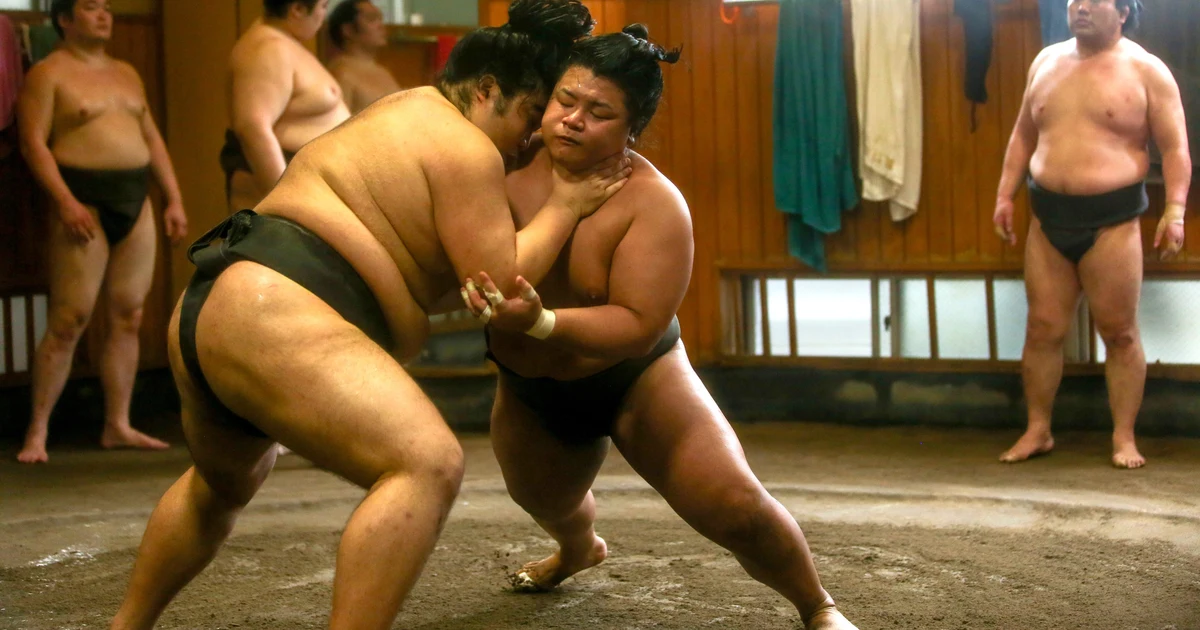
Tokyo: Sumo Morning Practice with a Sumo Specialist (Ryogoku Half-Day)
- Conducted under official authorisation from a sumo stable in the Ryogoku district
- 60–120 minutes of live morning practice observation
- Q&A with a sumo specialist (a national newspaper journalist)
- Photo opportunities with wrestlers; English-speaking guide throughout
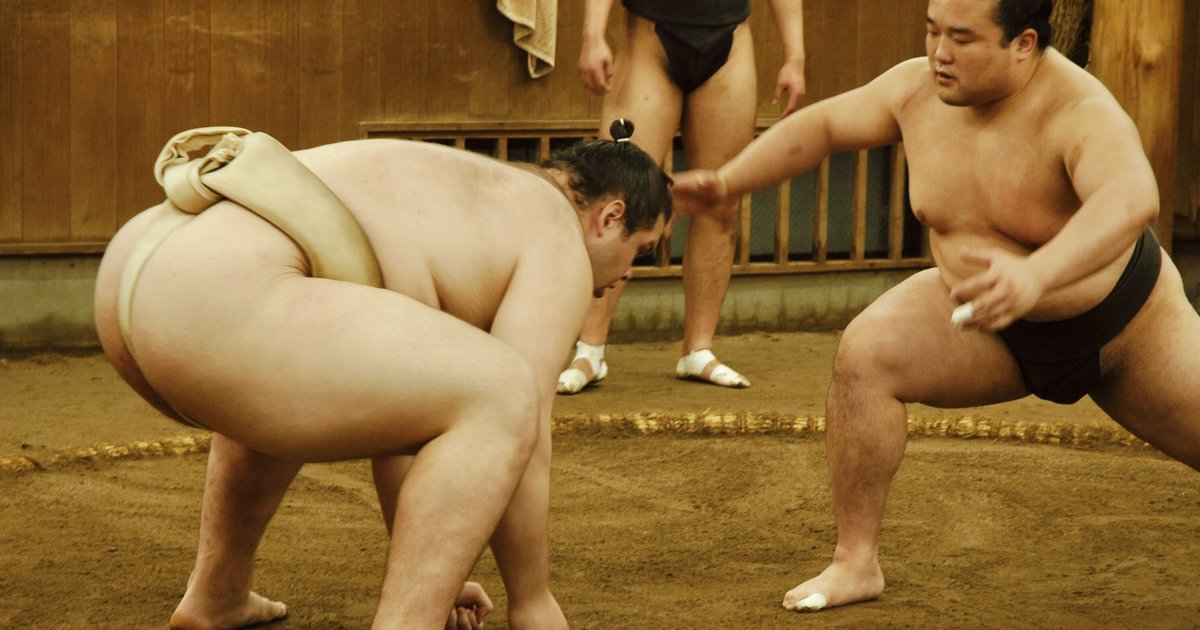
Tokyo: Sumo Morning Practice & Exclusive Behind-the-Scenes Access
- Watch real sumo practice up close inside an authentic stable
- Direct Q&A and conversation with professional wrestlers after practice
- Commemorative photo session with wrestlers in the training stable
- Souvenir: official banzuke (ranking sheet) in a custom folder
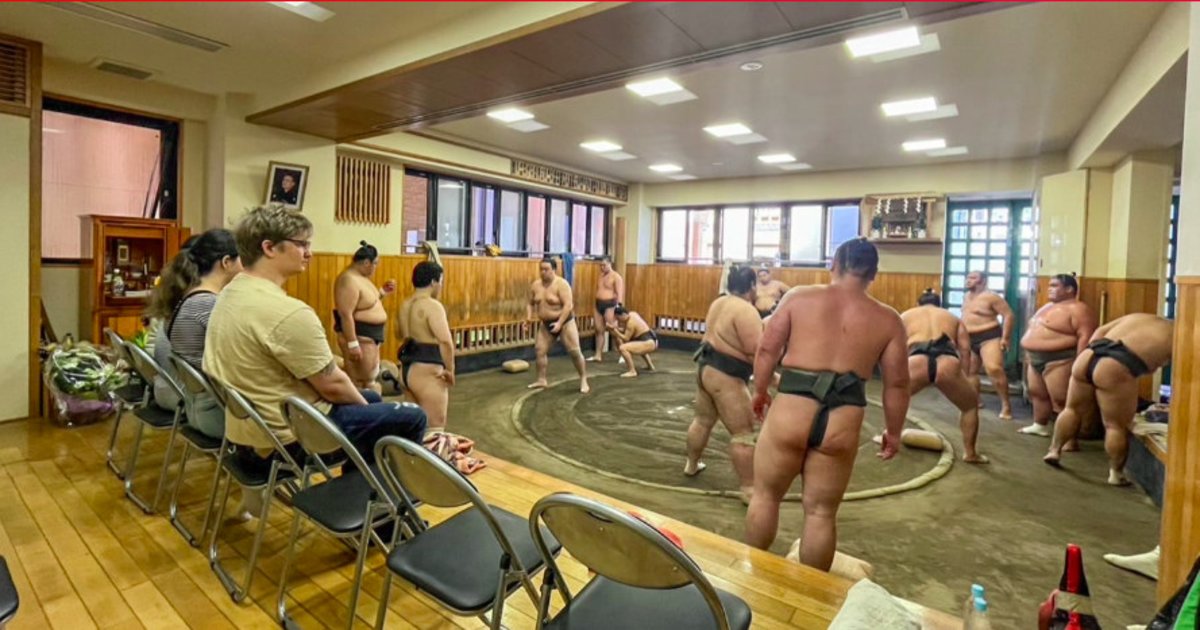
Tokyo: Sumo Morning Practice Tour in Kiyosumi Shirakawa (Ring-Side Seats)
- Ring-side seats at a stable in the Kiyosumi Shirakawa area
- English guide explains sumo traditions, rituals, and rules throughout
- Includes Magical Trip's original sumo guidebook (rules & history)
- Meeting point: Kiyosumi Shirakawa Station Exit A1; ages 12+ only
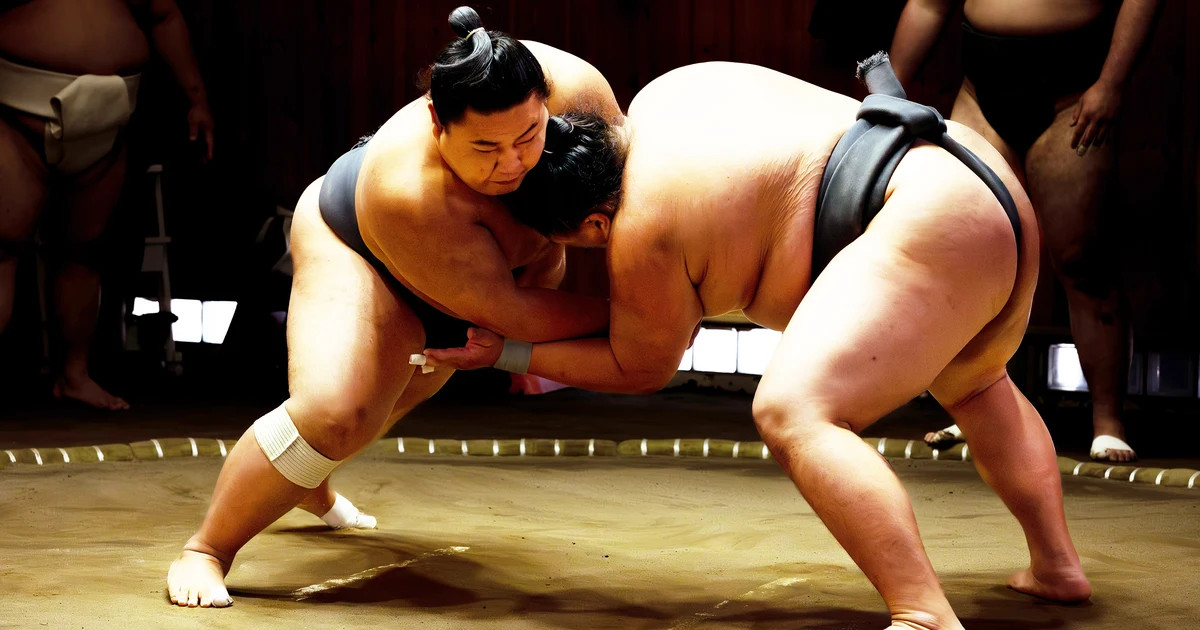
Osaka: Sumo Experience with Live Show & Audience Challenge
- Live demonstration by retired professional wrestlers (not a casual show)
- Single-bout match (tachiai) and signature techniques (kimarite) explained
- Optional: step into the ring and challenge a wrestler yourself
- English-speaking MC; venue near Hanazonochō Station Exit 4
How These Tours Actually Work (Behind the Scenes)
If you're wondering why some tours can guarantee stable access while you can't simply walk in yourself, here's the mechanism behind it:
- Direct contracts with specific stables. Tour operators negotiate with individual sumo stables for scheduled visitor slots — typically a fixed number of guests per session, on agreed practice days, at an agreed fee. Most stables are not part of any such arrangement, which is why public access is so restricted.
- The operator handles all etiquette management. Visitors are briefed on rules before arrival, kept silent during practice, and seated where they won't disrupt training. This management role is precisely why stables agree to host tours rather than walk-ins.
- The featured stable can vary by date. Multiple tours, including the half-day Ryogoku option above, rotate between several partner stables depending on each stable's training schedule. You normally won't know exactly which stable you'll visit until close to the date.
- Klook is a marketplace, not the operator. Klook itself does not run the tours — local Japanese tour operators do. Klook handles the booking, payment in your currency, English-language confirmation, and customer support. This is the same model used for tours across the rest of Asia.
- Practice may be cancelled at short notice. Stables hold ultimate authority. If a senior wrestler is injured, if the stable has a private visit, or if a tournament tour disrupts the schedule, the operator will reschedule or refund — check each tour's cancellation policy before booking.
None of this is unique to Klook — the same mechanics apply to Viator, GetYourGuide and Magical Trip listings. Klook simply tends to have the largest English review volume for these specific tours, which is why the picks above are sourced from there.
Etiquette Rules You Must Follow
Whether you visit through a tour or independently, these rules are non-negotiable. Violating them can result in being asked to leave and may cause the stable to restrict future visitor access, affecting other fans.
Absolute Rules
- Maintain complete silence. Do not talk, whisper, cheer, gasp, or make any unnecessary noise. This is the single most important rule.
- Do not eat, drink, or smoke inside or immediately outside the stable.
- Remove hats and sunglasses before entering.
- Sit still on the floor. Sit in seiza (kneeling) or cross-legged. Do not show the soles of your feet toward the dohyo or wrestlers.
- Do not stand up during practice unless instructed to by staff.
- Do not approach, touch, or speak to wrestlers unless they initiate interaction (which is rare during practice).
- Photography: Generally permitted, but use silent shutter mode, no flash, and no video calls or live streaming. Some stables prohibit photography entirely — follow whatever rule is stated.
- Mobile phones: Set to silent mode. Do not take calls.
- Arrive on time. Late arrivals disrupt the training atmosphere.
- Dress modestly. Avoid overly casual or revealing clothing. This is a training hall, not a tourist attraction.
After Practice
At some stables, wrestlers may briefly interact with visitors after practice. Be respectful, follow the lead of your guide or stable staff, and always ask before taking photos with wrestlers.
What to Expect at a Practice Session
Understanding what you will see helps you appreciate the experience fully. A typical morning practice follows a general structure, though details vary by stable:
Training Exercises You Will See
| Exercise | Japanese Term | Description |
|---|---|---|
| Leg stomping | Shiko | Alternating high leg raises and ground stamps — the foundational sumo exercise |
| Pillar hitting | Teppo | Repeatedly striking a wooden pillar with alternating open palms to build arm and shoulder power |
| Pushing drills | Butsukari-geiko | One wrestler drives into another, pushing them across the dohyo repeatedly |
| Practice bouts | Moshi-ai | Competitive sparring matches — the winner stays and faces the next challenger |
| Splits / stretching | Matawari | Deep hip-opening stretches, often with assistance from other wrestlers pressing down |
| Repeated practice bouts | San-ban geiko | Repeated bouts between the same pair of wrestlers, refining specific techniques |
The Hierarchy in Action
One of the most striking aspects of morning practice is seeing the strict hierarchy (senpai-kohai) system in action. Lower-ranked wrestlers arrive first, sweep and prepare the practice area, and begin warming up. Higher-ranked wrestlers join later and typically dominate the practice bouts. The stablemaster (oyakata) may observe and give instructions, particularly to younger wrestlers.
This hierarchy extends to everything — who trains first, who bathes first, who eats first. Watching it unfold in person provides visceral understanding of the social structure that underpins the entire sport. For more on how this connects to the broader ranking system, see our guide to sumo ranks.
Physical Sensory Experience
The space is typically small and enclosed. You will hear the sharp slap of collisions, the heavy impact of bodies on clay, and intense breathing. It is a raw, unfiltered athletic experience that no camera can fully capture.
A Real Morning Timeline at One Tokyo Stable
To give you a precise sense of what 'morning practice' actually means, the entries below are the on-screen timestamps from a fixed-camera documentary at Futagoyama Stable in Tokyo (November 9, 2024). Every time shown was captured by the stable's own cameras and overlaid as a tellop on the video — these are not estimates:
| Time (tellop) | What the camera captured |
|---|---|
| 6:30 a.m. | 1st-floor large dormitory shown. Senior wrestler Mita has already taken his breakfast from the fridge and is eating; his bag for post-practice gym work contains a shaker, protein, creatine, EAA and bath supplies. |
| ~6:30 a.m. | Kuwae wakes (no explicit clock tellop, but shown immediately after the 6:30 marker). |
| 6:41 a.m. | Keiga wakes. |
| 6:45 a.m. | Wakamiyabi wakes. |
| 7:00 a.m. | Kouga wakes. |
| 7:02 a.m. | Soma wakes. |
| 7:03 a.m. | Nobehara wakes. |
| 7:06 a.m. | Idenuma wakes. |
| 7:08 a.m. | Kotakiyama and Tsukioka wake (Kuwae also re-shown waking at this point; Kouga returns to a third sleep). |
| 7:09 a.m. | Kyoda wakes — the last of the lower-division wrestlers shown. |
| 7:30 a.m. | Practice begins (tellop: 稽古開始). |
| 7:35 a.m. | Sekitori-rank Nabatame arrives at the practice hall (tellop: 生田目関、稽古場へ). |
| (after 7:35) | The stable master (oyakata, former Ozeki Masuyama) arrives at the practice hall. The video shows this but does not display an exact clock time. |
Source: Futagoyama Stable's official YouTube channel "Sumo food", fixed-camera morning-routine documentary (YouTube, 9 November 2024). Times above are taken verbatim from on-screen tellops in that single video. Other stables and other days will differ.
Practical takeaway for visitors: morning practice at this stable on this day actually starts at 7:30 a.m., with sekitori arriving slightly later. Most organised tours plan their arrival window around 7:30–9:00 a.m. for this reason.
When to Visit (and When You Cannot)
Timing is crucial for a successful visit. Morning practice is not available year-round, and even when it is, the schedule varies.
When Practice Is Generally Available
- Practice typically occurs most mornings, Monday through Saturday
- The most active training period is between tournaments, when wrestlers are preparing for the next competition
- The weeks immediately before a tournament tend to have the most intense and interesting sessions
When Practice Is NOT Available
- During tournament periods: Tokyo hosts three honbasho per year — January, May, and September. During these 15-day periods, wrestlers are competing, not holding normal practice
- During regional tournaments: When the Osaka (March), Nagoya (July), or Fukuoka (November) tournaments are underway, Tokyo stables are largely empty as wrestlers travel to those cities
- Holidays and rest days: Stables observe occasional rest days, and schedules can shift without notice
- Post-tournament rest: There is typically a brief rest period after each tournament
| Period | Availability | Reason |
|---|---|---|
| Feb, Apr, Jun, Aug, Oct, Dec | Good | Inter-tournament training periods; stables active in Tokyo |
| Jan, May, Sep | Limited | Tokyo tournaments — wrestlers competing, not holding standard practice |
| Mar, Jul, Nov | Low | Regional tournaments (Osaka, Nagoya, Fukuoka) — stables travel away |
The best months for visiting are typically February, April, June, August, October, and December — the inter-tournament periods when wrestlers are in Tokyo and actively training.
Watching Sumo Training From Home
If you cannot visit a stable in person, there are ways to see sumo training remotely. The JSA and various media outlets occasionally broadcast or post training footage, particularly before major tournaments. Some stables have also shared practice clips on social media.
For watching actual tournament bouts live, ABEMA TV streams all bouts free within Japan. If you are outside Japan, a VPN such as NordVPN allows you to connect to a Japanese server and access the stream. See our VPN for sumo guide and how to watch sumo online for detailed instructions.
Frequently Asked Questions
Can I visit a sumo stable to watch morning practice in Tokyo?
It depends on the stable. Most sumo stables are not open to casual drop-in visitors. Some stables accept visitors with advance arrangements, but policies vary and have become more restrictive in recent years. The most reliable way for tourists to watch morning practice is through an organized tour operated by an authorized company such as those listed on Viator, GetYourGuide, or JTB Sunrise Tours.
What time does sumo morning practice start?
Morning practice (asageiko) typically begins between 5:00 and 7:30 AM, depending on the stable and season. Lower-ranked wrestlers start first, with higher-ranked wrestlers joining later. The most active and interesting period for visitors is generally between 7:00 and 10:00 AM. Practice usually ends by around 10:00–11:00 AM.
What are the rules for watching sumo morning practice?
The most critical rules: maintain complete silence, do not eat or drink, remove hats and sunglasses, sit on the floor without showing the soles of your feet toward the wrestlers or dohyo, set your phone to silent, and do not approach or speak to wrestlers unless they initiate. Photography is generally permitted with silent shutter and no flash, but some stables prohibit it — always follow the specific instructions given.
How do I book a sumo morning practice tour?
Several platforms offer guided tours. Search for "sumo morning practice tour Tokyo" on Viator, GetYourGuide, or check specialist operators like Sumo Experience and Magical Trip. Tours typically cost between ¥5,000 and ¥15,000 per person and include an English-speaking guide. Book well in advance as spots are limited, especially during popular travel seasons.
When is sumo morning practice NOT available?
Practice at Tokyo stables is generally not available during the January, May, and September tournaments (when wrestlers are competing), during regional tournaments in March, July, and November (when many stables travel to Osaka, Nagoya, and Fukuoka respectively), and on occasional rest days and holidays. The best months for visiting Tokyo stables are typically February, April, June, August, October, and December.
What will I see at sumo morning practice?
You will see wrestlers performing training exercises including shiko (leg-stomping), teppo (hitting a wooden pillar), butsukari-geiko (pushing drills), and moshi-ai (practice bouts). Lower-ranked wrestlers train first, with senior wrestlers joining later for the most intense sparring. The atmosphere is quiet and serious — this is real training, not a show.